Their Last Fight: Filipino Veterans Make A Final Push For Recognition

During World War II, more than a quarter million Filipinos fought alongside American soldiers. Many are still awaiting the recognition promised to them.

Maximo Purisima Young was just 19 years old when he heard President Franklin D. Roosevelt call upon Filipinos to join American forces fighting in the Southeast Asian islands during World War II.

In a clandestine radio broadcast which aired throughout the Philippines, Roosevelt asked Filipinos to “stand firm” along with the U.S. and pledged to “keep that promise” of independence for the U.S. Commonwealth.

The Manila American Cemetery holds the largest number of World War II veteran graves outside the US — more than 17,000. It’s also home to a memorial to those lost or missing in action in the war which includes over 3,700 Filipinos.
CREDIT DORIAN MERINA / AMERICAN HOMEFRONT
 “When we heard that, all of us shouted,” recalled Young, now 97. At the time of broadcast, he was camped alongside American troops – part of a remote force driven back by the well-armed Japanese army.

“All of us, Americans and Filipinos, were happy; we were shouting,” Young said.

Young, a Filipino, spent part of the war on a boat, shipping critical supplies and troops through the treacherous waters around Manila. At one point, he was captured by the Japanese and later escaped. He went on to lead guerilla fighters on the island of Negros, working closely with U.S. forces as they planned their return. His service earned him a Silver Star from the Philippine government.

But when he applied to be recognized by the U.S. government after the war, he was denied.

“When you write for compensation, they tell you that our records are closed,” said Purisima Young. “Really, it’s frustrating. Very, very frustrating.”

A Broken Promise

At least 250,000 Filipinos fought with American forces in World War II. After the notorious Bataan Death march in April 1942 and the withdrawal of most U.S. forces, the fight against the Japanese was left mostly to locals. Ordinary Filipinos hidden in the jungles and mountains led the resistance.

The toll was high: more than a million Filipinos died.

Roosevelt signed a presidential order in 1941 bringing all military forces in the Philippines under U.S. control. But after the war, in 1946, the U.S. Congress passed legislation that stripped recognition from Filipino soldiers. It was called theRescission Act, and it explicitly barred “rights, privileges, or benefits” from most Filipinos who fought. That same year, the Philippines became an independent nation.

Perla Teves, the daughter of a Filipino veteran and an advocate in Manila, continues to push for U.S. recognition for the declining number of World War II veterans. “They better make it fast because time is running out,” she said.
CREDIT DORIAN MERINA / AMERICAN HOMEFRONT
U.S. records, declassified in 1988, show that the military’s attempt to document the service of Filipino troops was inadequate and incomplete. It became even more difficult after a 1973 firedestroyed millions of military records, including those of many Filipinos. Tens of thousands of Filipino fighters were shut out.

It’s a dark legacy that, for many, continues today.

“They are almost at the end of their lives, and yet they are not receiving anything,” said Perla Teves, the daughter of a Filipino veteran and an advocate in Manila with the Filipino War Veterans Foundation.

Out of the quarter-million Filipinos who fought in the war, only about 6,000 are still living in the Philippines, according to the Philippine Veterans Affairs Office, which estimates hundreds could be dying every month.

“All of them are sick, they are living in their twilight years,” said Teves. “If the U.S. government still plans to give renumeration to these unrecognized World War II veterans, they better make it fast because time is running out.”

A piecemeal approach to reform

Over the decades, the U.S. government has made a few efforts to address the issue. In 1990, President George H.W. Bush signed a law offering citizenship to some Filipinos. In 2009, the Obama Administration provided one-time payments to others: $15,000 for U.S. citizens and $9,000 for Filipino citizens. By the end of 2017, $226 million had been awarded to more than 22,000 people. (Purisima Young was one of them.) But Department of Veterans Affairs records also show that more than half of the applicants who tried to qualify were denied.

The VA notes that some Filipinos do qualify for certain benefits, such as pensions and one-time compensation. And last year, Congress awarded Filipino veterans theCongressional Gold Medal, though the award, usually reserved for civilians, was mostly symbolic.

Critics say this reveals a problem in how the U.S. has addressed the issue: by avoiding a comprehensive approach.

“I think the opposition is primarily fiscal,” said Democratic Senator Brian Schatz of Hawaii. He’s sponsoring a bill that would recognize the last remaining Filipino veterans. The measure, co-sponsored by Republican Lisa Murkowski of Alaska, would extend recognition to all Filipinos who fought. It would also make it easier for them to prove their service.

Schatz does not yet have a cost estimate, but a more limited bill introduced in 2015would have cost $53 million in the first year, according to a Congressional Budget Office estimate.

“These soldiers fought under the American flag because they believed in our shared ideals,” said Schatz. “They bled for us and for our ideals and they also fought with us with the understanding that they would be treated like American veterans.”
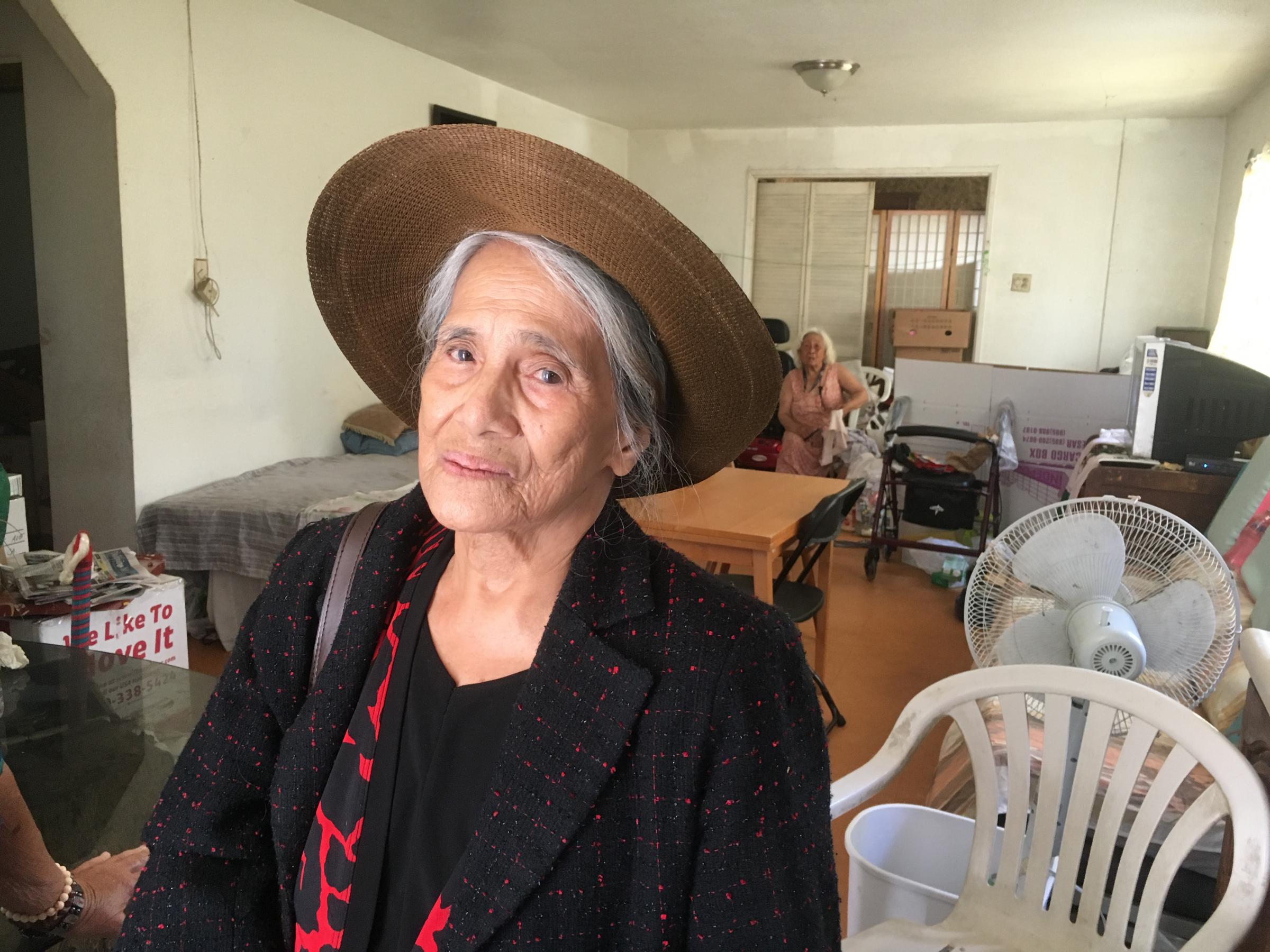
Helen Balani, 87, is still seeking recognition from the U.S. for her husband’s service as a Philippine Scout during World War II. She lives in a modest Los Angeles apartment with two other World War II widows. “We just want what is due to us,” she said.
CREDIT DORIAN MERINA / AMERICAN HOMEFRONT

Widows, children carry on the fight

Helen Balani, 87, can remember the heavy bombing near her home in Bukidnon, Mindanao, a southern island in the Philippines.

“We were always scared,” she said, saying her parents would scramble to find the kids as planes roared overhead. “My mother shouted, ‘Run!'”

At the time, her future husband, Ireneo Balani, joined other young Filipinos and fought as a guerilla in the mountains. He was later recognized by the Philippines government as a Scout, a division of local forces that helped guide U.S. troops through the dense mountainsides. He died in 2004.

Today, Helen Balani lives in Los Angeles in a cramped three-bedroom house she shares with five people, including her daughter and two other World War II widows.

“Our husbands fought with the American army side by side, shed blood together with the Americans during that time, and thousands of our people died together with the American people,” said Balani.

As a widow, she receives 5,000 pesos a month from the Philippine government, or about $100. But so far, she has been denied benefits from the U.S. Lately, Balani has had trouble making rent and fought an eviction notice.

“We are not trying to steal the money of America,” she said. “We just want what is due to us.”

Balani is not alone. In her neighborhood, known as historic Filipinotown, about a quarter of the Filipino families have a direct tie to a World War II veteran, according to Art Garcia, a community organizer and the national coordinator for Justice for Filipino American Veterans.

“That’s the irony of it,” said Garcia. “Imagine you fought for a war side by side with Americans and yet you’re denied being an American veteran.”

Garcia has been working to expand recognition for Filipinos for more than two decades. He said he sees the current legislation in the Senate as the final piece.

“If it is completed, America has paid its dues to the Filipinos,” he said.

But he’s worked long enough to know that passage is far from certain. The bill currently awaits action in the Senate’s Veterans Affairs committee, and though it has garnered bipartisan support, the upcoming election season may make it tough for advocates to keep lawmakers’ attention on the issue.

“We will continue fighting for benefits and for recognition,” said Garcia. “We will not let up.”

How much longer will they fight?

“As long as it takes,” he said.

This story was produced by the American Homefront Project, a public media collaboration that reports on American military life and veterans. Funding comes from the Corporation for Public Broadcasting.
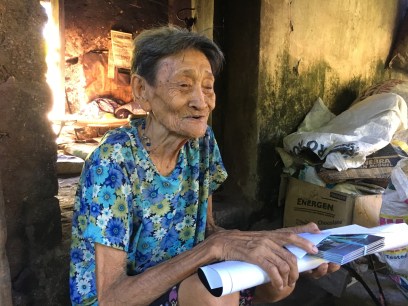
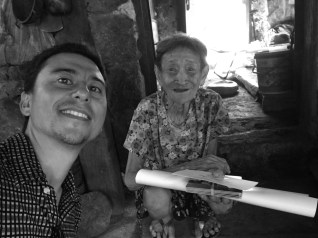
Visiting elder Laji singer, Marta Vaso

Marta Vaso is the carrier of one of the most well-known Laji in Batanes. It’s called Lipus Ko Am Panahanen, and most Ivatans can recite the melody, if not the lyrics, from memory. Without her, this gem of a poem, would most likely have vanished in our tradition. (You can listen to her singing it, and check out the transcription of the lyrics, here.)

IMG_3515
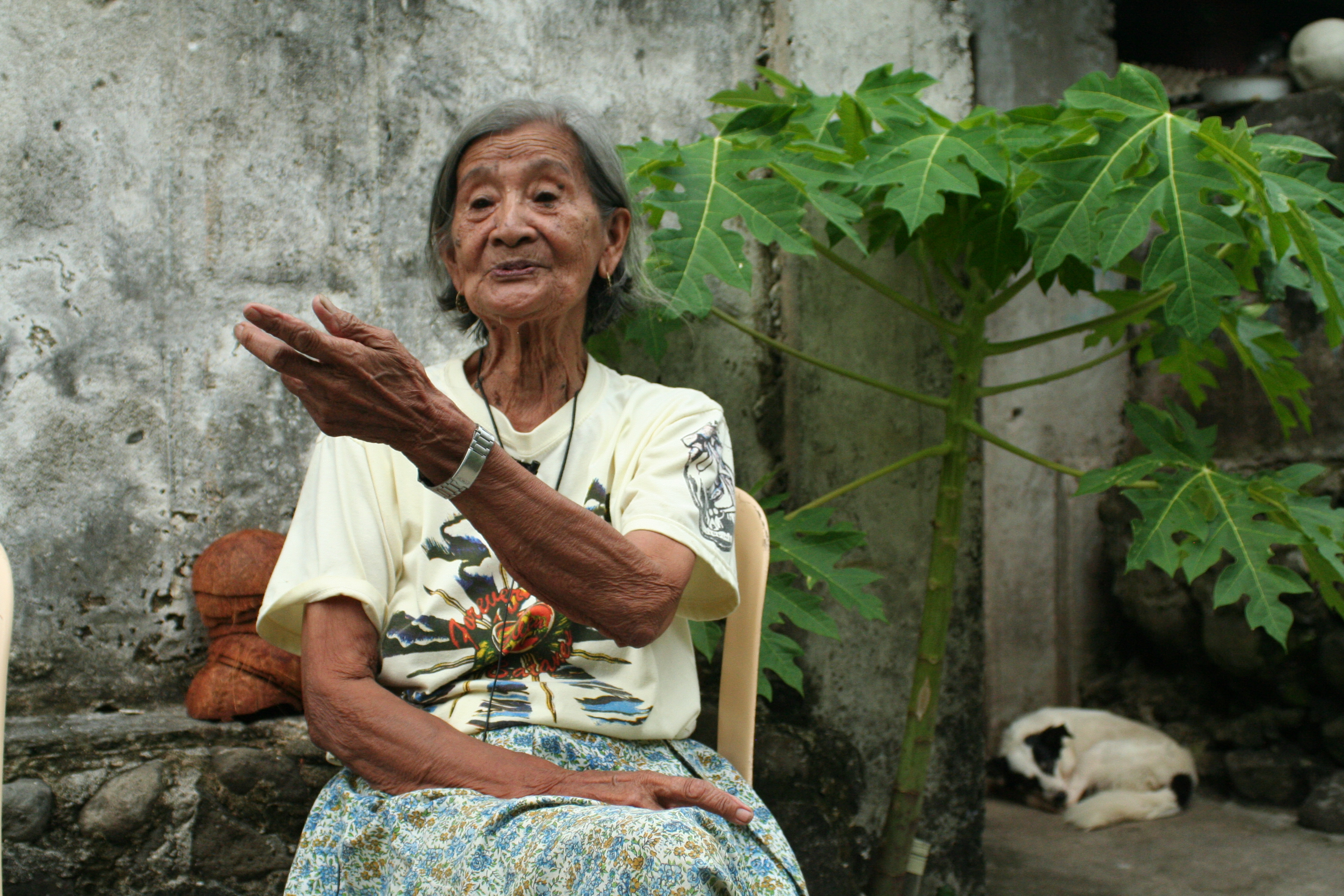
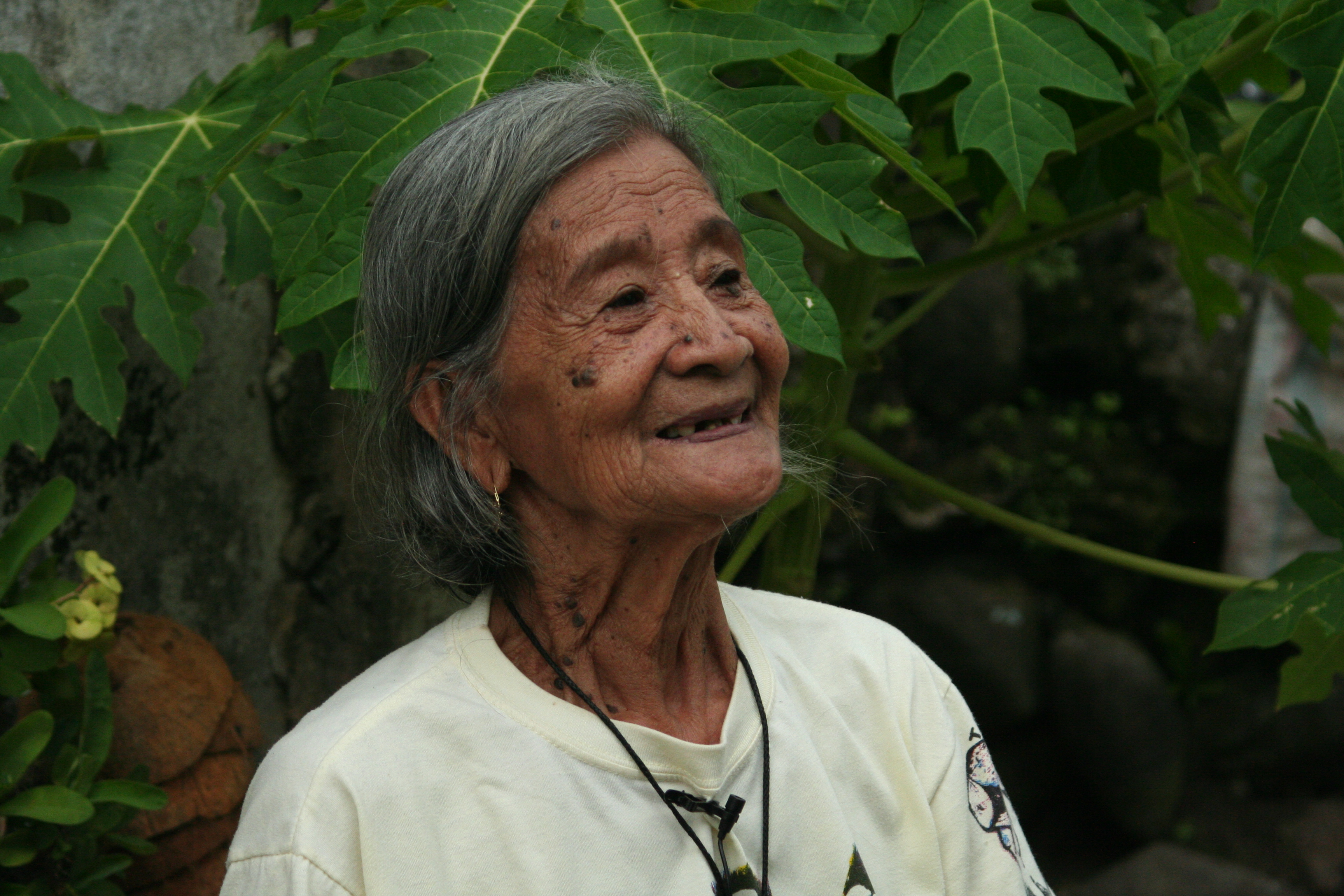
Marta Vaso, 90, is one of the last two living Laji singers in Ivana, Batanes. May 2018.

I first recorded her singing this Laji, and a few others, back in 2011. I also interviewed her about how she learned the songs and what the deeper meanings of her lyrics are.

This week I visited her at her home in the village of Ivana and found her, at the age of 90, to be lively, generous and full of stories!

I wanted to talk to her – and the other Laji singers – about the latest phase of our project: a roll-out of the audio CDs to the classrooms in Batanes to be used as learning materials. She was pleased to hear the update and offered an insightful comment. She said that many of the youth who listen to her sing are respectful, but lose interest because they do not understand the meaning behind the lyrics. Without this comprehension, they just end up reciting empty verses.

I thought this was a very astute observation. How can we expect our youth to appreciate Laji without taking the time to pass along the full significance of the language? Laji not only holds within it our cultural history (as the respected Dr. Hornedo noted in his studies on the subject), but a treasure of linguistic tradition. When I speak to Laji singers, they take great care to explain the metaphors and double-meanings (and humor, yes!) behind their lyrics. Without their explanations, the full beauty of the poems is lost.

IMG_3518
Visiting Laji Singer Marta Vaso in May 2018 to update her on the Laji project and share our CDs, poster and letters of appreciation.

To this end, the next phase of this project is to transcribe and translate as many Laji samples as I can. I hope to continue this valuable work throughout 2018 and into the coming years. I am always looking for help — so if you have expertise or would like to support, please contact me here. This is the latest in a project that began for me over 15 years ago – and I have come to realize will mostly likely continue for a lifetime. (Catch up on the full history of how this all got started.) Hopefully, this will honor the legacy of Lola Marta Vaso, and the rest of the Laji singers here in Batanes!


Laji Singer, Filomena Hubalde

Laji singer, Filomena Hubalde, explains the content of her song in Savidug, Sabtang, July 7, 2011.

(UPDATE: Sadly, Lola Filomena passed away in 2017. Her sharp mind and wit, her generosity and loving spirit will forever be missed. I think of her often as I lean out our bedroom window to gaze across our village of Savidug, just a few houses from where she lived and sang. Rest in Peace. And may this work to preserve Laji be a humble honor to her memory. DM.)

Lola Filomena Hubalde was the last living Laji singer in the small town of Savidug on the island of Sabtang. She carried in her songs the unique culture of the Ivatans, who reside in the remote, northernmost islands of the Philippines.

Hubalde’s life spanned the post-colonial American period, the Japanese occupation of World War II, the arrival of electricity and running water to the barrios, the martial law period under dictator Ferdinand Marcos, and – more recently – the introduction of the Internet and mobile phones.

Throughout the many changes and developments, Hubalde and her fellow residents of Savidug, have maintained a traditional lifestyle that is based on fishing, farming, skilled handiwork and the Ivatan tenants of cooperation and hard work.

But today, Hubalde’s Laji, and the deep cultural knowledge it embodies, is in danger of vanishing.

This project aims to document and preserve Laji and the linguistic diversity of the Ivatans through audio, video and photographs. Filomena Hubalde is one of sixteen singers who volunteered to contribute their knowledge for future generations of Ivatans and for people around the world. You can listen to Hubalde’s Laji, Sinavung Ka Paru Ninuy, or watch a video with her here.

Ari da na! It’s here! The Laji Album

After a successful Kickstarter campaign, the Laji album – with all 44 of its Lajis, songs and chants – is finally here:

LAJI_foto_in hand

Close to 50 backers from the US, Philippines, Jamaica and other countries pledged to the campaign and dozens more spread the word, contributed insight and cheered on the project as we raised funds to produce an album that now can be shared with school children in Batanes and Ivatans across the global community.

To everyone who pitched in and believed in the project: a heartfelt Dyus Mamahes and Thank You!

From here, we will continue to work to document, preserve and promote this vital indigenous tradition – both in Batanes and abroad. There’s plenty more work to do to transcribe and translate Laji songs and videos.

In the meantime, you can check out the latest on the Kickstarter campaign here, listen to the CD and order online here, or check back to this site for ongoing updates.

Peace,

Dorian

Laji singers, community leaders gather in Vasay

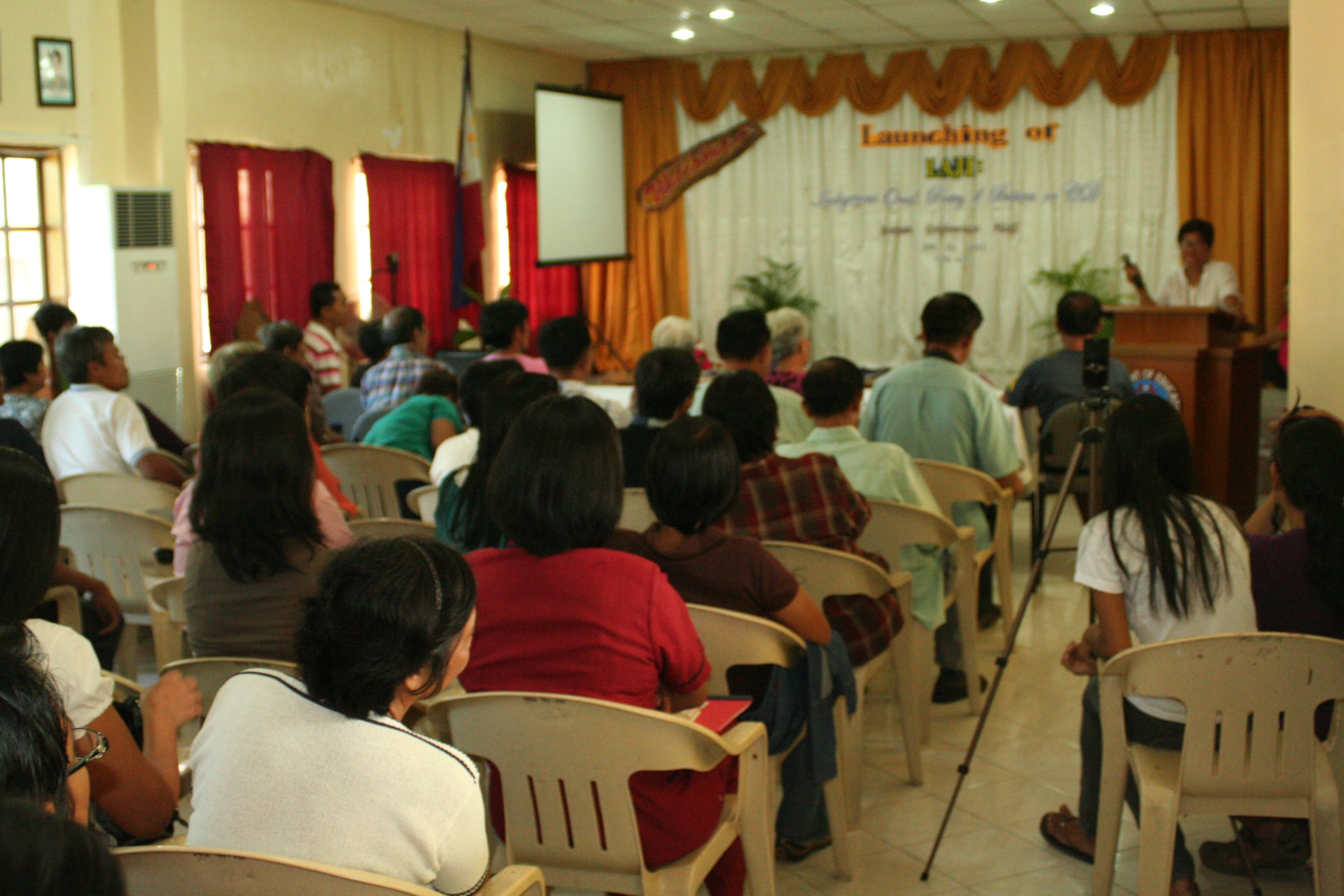
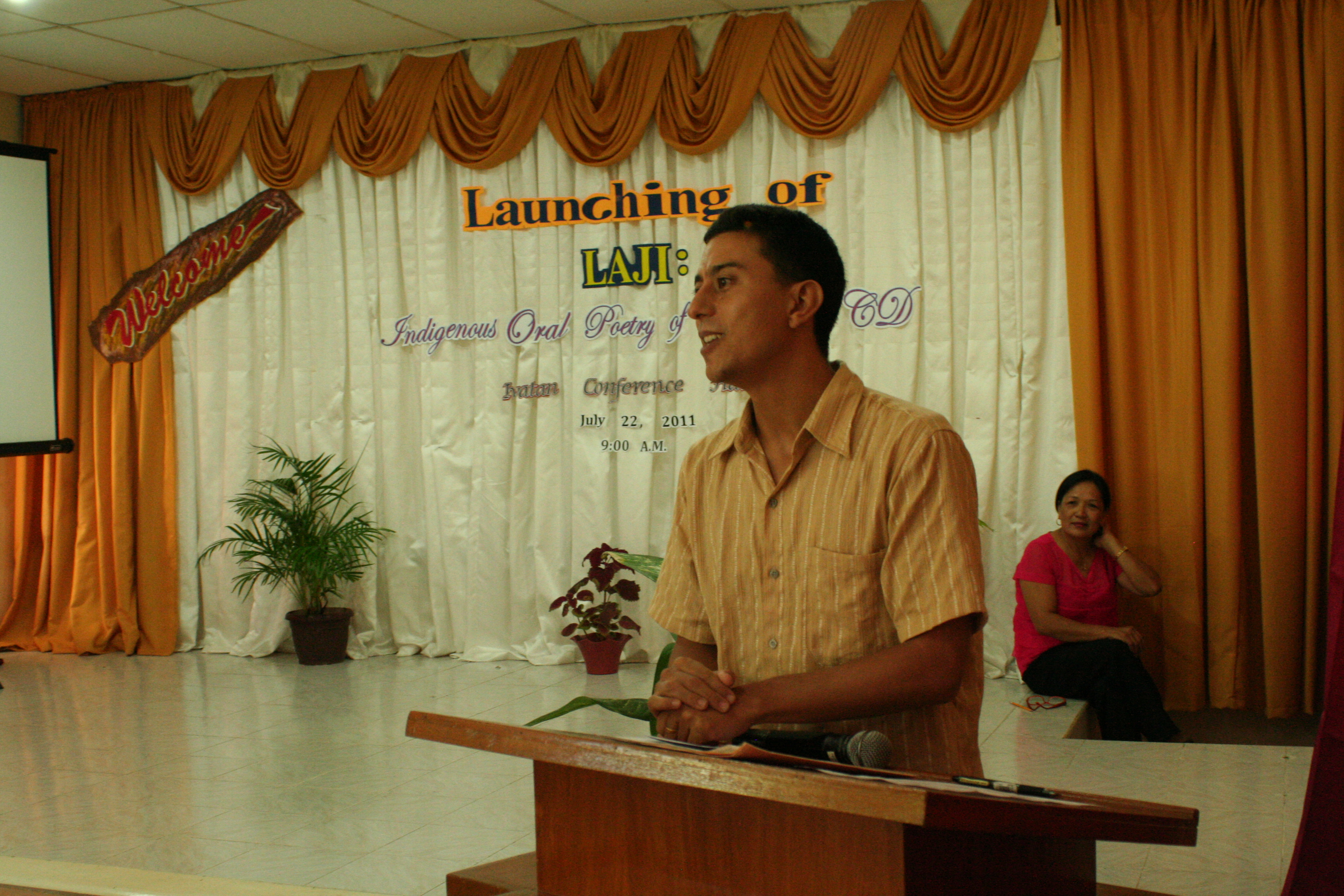
On July 22, Laji singers from all three islands of Batanes met in Vasay with community leaders, school teachers, and Ivatan residents to celebrate the release of the audio CD, Laji: Indigenous Oral Poetry of Batanes. The CD brings together original field recordings in order to document and preserve this valuable tradition of Ivatan poetry.

After a week of strong winds and rain, Friday morning dawned with calm breezes and clear skies, allowing the singers from Sabtang to make the ocean crossing. They were joined by others from Itbayat and towns in the south, such as Uyugan, Ivana and Mahatao. As we say here, madinak u taw!

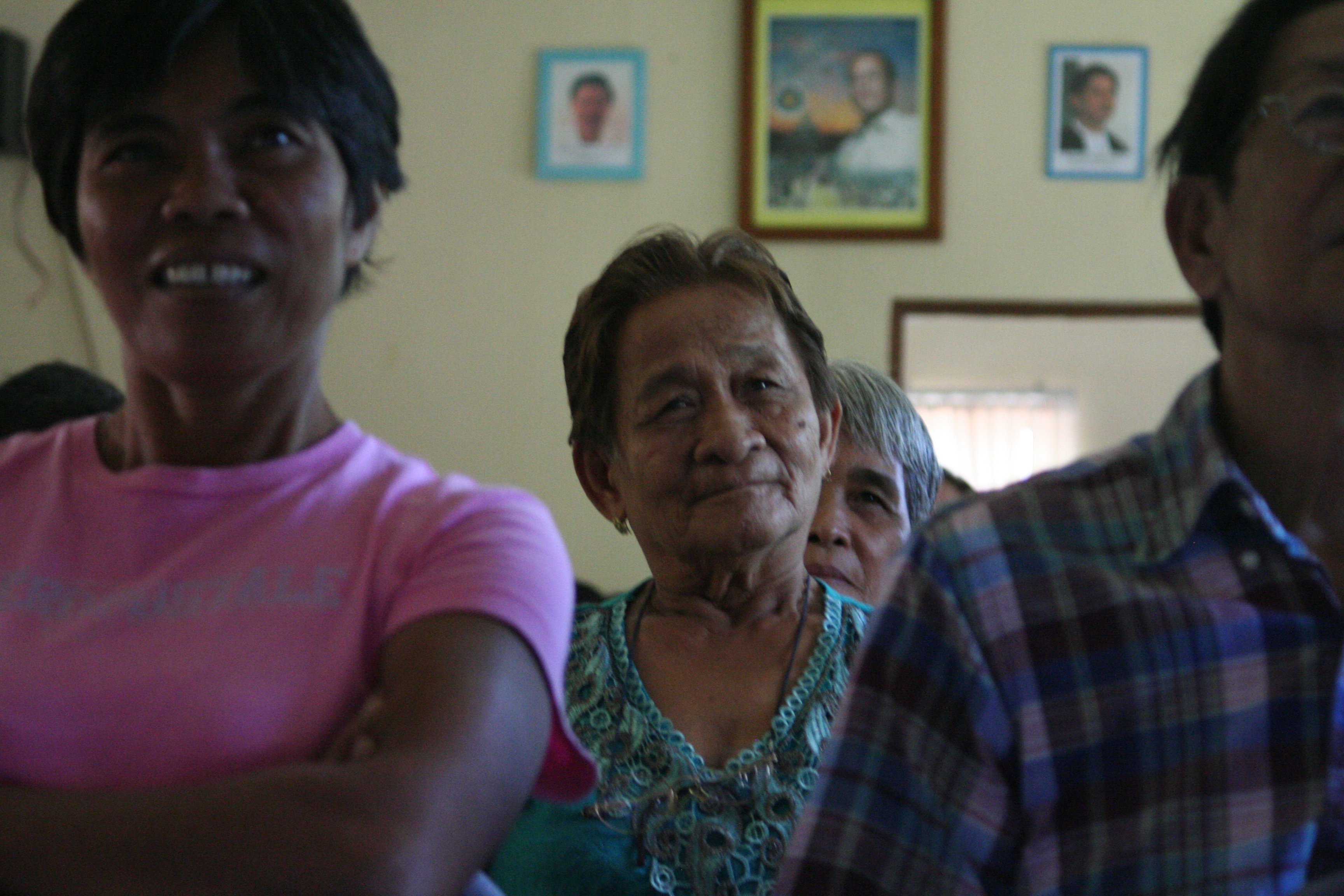
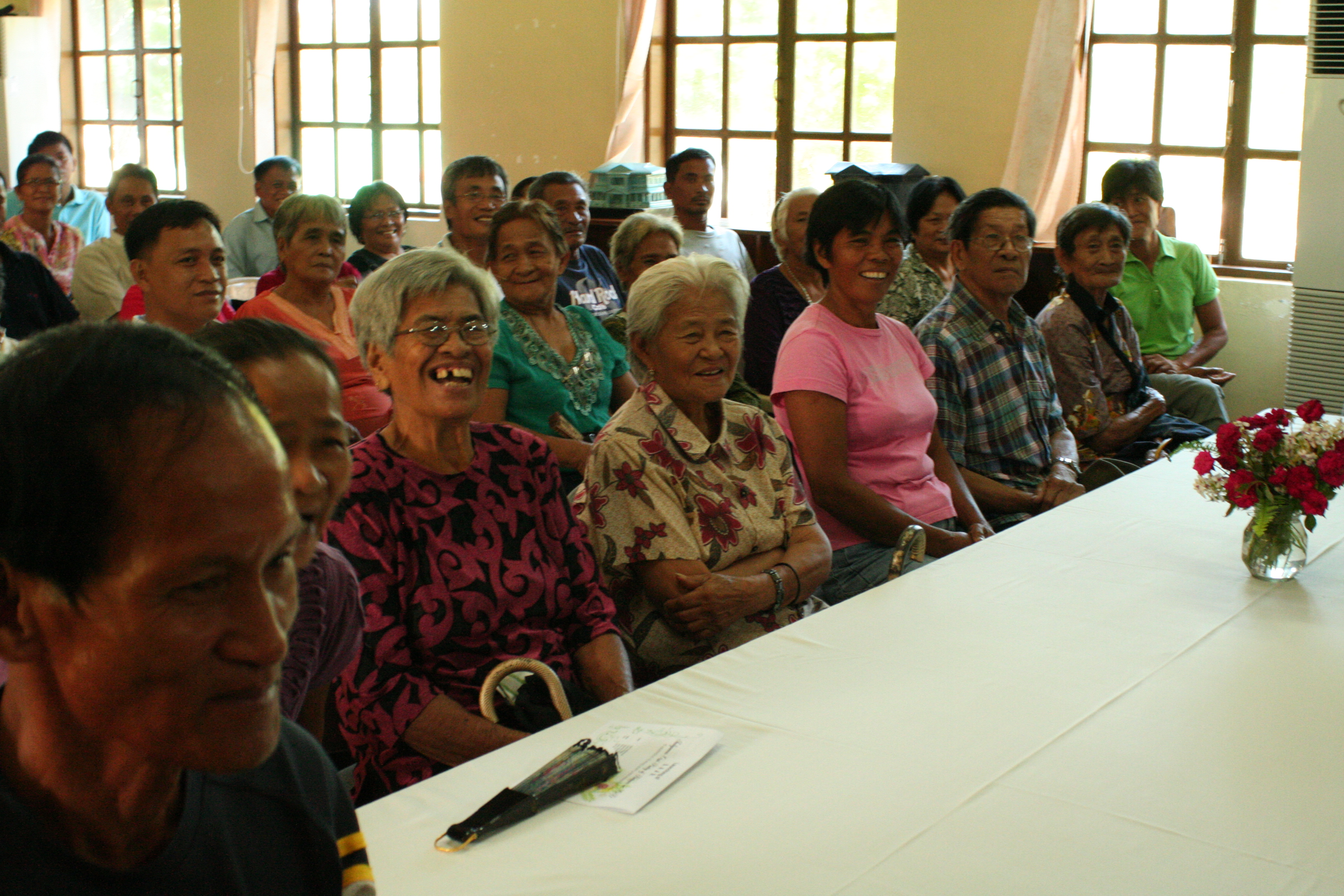
Laji and Kalusan singers await the presentation of their poetry.

Laji singers, Leoncia Fabro of Diura and Bernardo Cabuco of Ivana were joined by Kalusan singers from Uyugan.
District Superintendent, Wivina Gonzales, speaks before the crowd.

Leaders from the local schools called the gathering of the Laji an important part of bringing indigenous knowledge into the curriculum for the youth of Batanes. School District Superintendent Wivina Gonzales even treated the crowd to her own rendition of “Nunuk du Tukon,” a popular Laji that is known throughout the islands.

Youth singers Joseph Paduga and Monica Abad sang Laji for the Ivatan elders.

Dorian Merina, researcher for the Laji project, pledged to continue the process of reviving Laji.

Singer Melecio Alasco, front left, joined with Lourdes Nanud in the presentation.

Singers representing all of Batanes are joined by Basco Mayor Demy Narag, Governor Vicente Gato, District Superintendent Wivina Gonzales, researcher Dorian Merina and Dep Ed coordinator Linda Cadiz at the conclusion of the event.